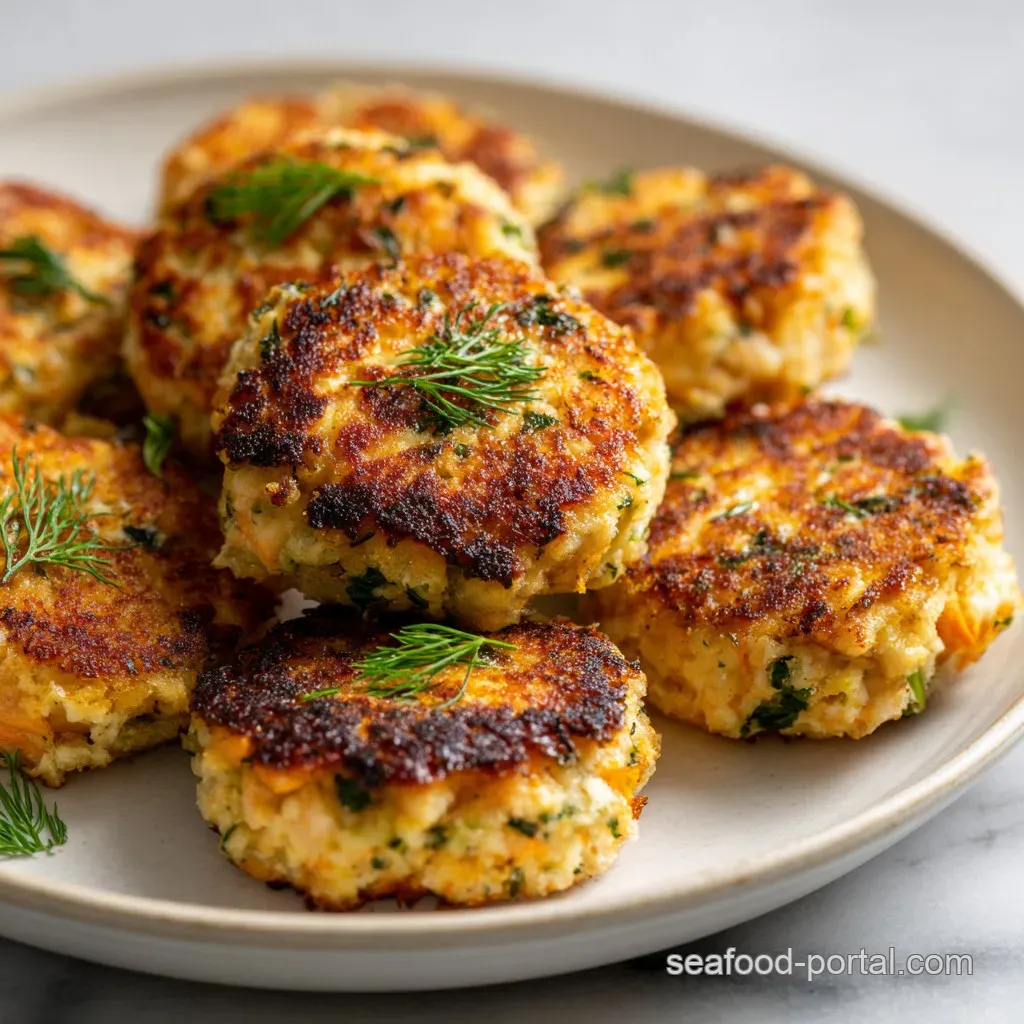
Discover the Art of Perfect Salmon Cakes: Your Next Go-To Meal
There's something inherently satisfying about a beautifully crafted salmon cake. Golden-brown and crispy on the outside, moist and flaky on the inside, these versatile patties offer a delightful blend of texture and flavor. Far more than just a simple fish cake, salmon cakes are a culinary chameleon, effortlessly transitioning from an elegant appetizer to a fulfilling main course, or even a healthy component of your weekly meal prep. This article dives deep into creating exceptional salmon cakes, drawing inspiration from a Paleo-friendly recipe while providing a wealth of insights, tips, and variations to make them uniquely yours. Get ready to transform fresh salmon into a dish that will impress and nourish.
The Irresistible Appeal of Homemade Salmon Cakes
Why choose homemade salmon cakes when store-bought options exist? The answer lies in freshness, control, and unparalleled taste. Crafting them yourself allows you to select the finest ingredients, ensuring a meal that is not only delicious but also aligns with your dietary preferences, whether you're following a Paleo, gluten-free, or simply health-conscious lifestyle.
Nutritional Powerhouse
At the heart of any great salmon cake is, of course, salmon. This vibrant pink fish is a nutritional marvel, renowned for its abundance of omega-3 fatty acids. These essential fats are crucial for heart health, brain function, and reducing inflammation. Beyond omega-3s, salmon is an excellent source of high-quality protein, which is vital for muscle repair and satiety, along with a host of essential vitamins and minerals like Vitamin D, B12, selenium, and potassium. By making your own salmon cakes, you harness these incredible health benefits in a format that's both appealing and easy to integrate into any meal plan.
Versatility Redefined
The beauty of salmon cakes extends to their remarkable versatility. Imagine serving mini salmon cakes with a dollop of zesty aioli as an impressive party appetizer. Envision a substantial, larger cake nestled atop a bed of fresh greens for a light yet satisfying lunch. Or picture them as the star of a weeknight dinner, paired with roasted vegetables or a quinoa salad. They're also a fantastic candidate for meal prepping, allowing you to enjoy a healthy, protein-packed meal throughout the busy week without extra effort. The quick cook time and satisfying "crisp finish" ensure they're always a welcome addition to your table.
Crafting Perfect Salmon Cakes: A Step-by-Step Guide
Our journey to the perfect salmon cake begins with quality ingredients and a precise yet flexible approach to preparation. The goal is a cake that holds its shape beautifully, offering a delightful texture and rich flavor.
Essential Ingredients for Success
- Sockeye Salmon Fillet (skin removed): The foundation of our cakes. Sockeye salmon is prized for its vibrant color, firm texture, and rich, distinct flavor, making it ideal for flaking and forming into patties. Using fresh salmon is paramount for the best taste and texture.
- Red Bell Pepper (small dice): Adds a subtle sweetness, a pop of color, and a delicate crunch.
- Scallions (minced): Provides a mild oniony zest that brightens the overall flavor profile.
- Paleo Breadcrumbs or Almond Flour: This is where the recipe's adaptability shines. For a Paleo or gluten-free option, almond flour or specialized Paleo breadcrumbs work wonderfully as a binder. If dietary restrictions aren't a concern, traditional panko breadcrumbs will yield an exceptionally crispy exterior.
- Mayonnaise (preferably Paleo-friendly): Binds the ingredients together, adding moisture and richness. A good quality mayo makes a noticeable difference.
- Dijon Mustard: Offers a tangy, sharp counterpoint that elevates the salmon's flavor without overpowering it.
- Kosher Salt & Freshly Ground Black Pepper: Essential seasonings to bring out the best in all ingredients.
- Avocado Oil: Ideal for searing due to its high smoke point and neutral flavor, ensuring a golden, crisp crust without imparting unwanted taste.
The Preparation Process: From Fillet to Fabulous
- Preheat Your Oven to 400°F (200°C): This dual-cooking method is key to achieving that desirable crisp exterior and perfectly cooked interior. The initial sear gives color and texture, while the oven finish ensures thorough cooking without drying out the delicate salmon.
- Skin Removal Made Easy: If your salmon comes with skin, removing it is straightforward. Place a paper towel on your cutting board for grip, then lay the salmon fillet skin-side down. Make a small incision between the flesh and skin at one corner. Holding the separated skin firmly, glide a sharp, thin knife along the base of the flesh, parallel to the cutting board, to separate the skin. Discard the skin.
- Prepare the Salmon: You have a couple of options here depending on your desired texture.
- Rough Chop: For a more rustic, chunky texture with noticeable salmon flakes, simply chop the fillets into small, even pieces.
- Food Processor: For a finer, more uniform consistency that's easier to bind, pulse the salmon in a food processor for about 30-60 seconds. Be careful not to over-process, as you want texture, not a paste.
- Combine & Mix: In a large mixing bowl, gently combine the prepared salmon with the diced red bell pepper, minced scallions, breadcrumbs (or almond flour), mayonnaise, Dijon mustard, kosher salt, and black pepper. Mix until just combined. Overmixing can make the cakes tough.
- Form the Cakes: Portion the salmon mixture into your desired size (e.g., six 2-ounce portions for main courses or smaller for appetizers). Roll each portion into a ball, then gently flatten it into a disc, about ½ to ¾ inch thick. Aim for consistent size for even cooking. If the mixture feels too sticky, you can lightly moisten your hands with water or oil. For even more detailed guidance on forming and cooking, you might find salmon cakes - Article 3 helpful.
The Dual-Cooking Method: Achieving That Crisp Finish
- Sear for Color and Crust: Preheat a large, oven-safe skillet over medium-high heat. Once hot, add the avocado oil. Carefully place the salmon cakes in the hot oil, ensuring not to overcrowd the pan. Sear for 2 minutes on each side, or until they develop a beautiful golden-brown crust. This initial high-heat sear locks in moisture and creates an irresistible texture.
- Finish in the Oven: Transfer the seared salmon cakes (still in the oven-safe skillet, or move them to a baking sheet if your skillet isn't oven-safe) to the preheated 400°F oven. Bake for an additional 5 minutes. This gentle finish ensures the cakes are cooked through without drying out, maintaining their tender interior.
- Serve and Enjoy: Remove the salmon cakes from the oven. Serve them immediately, ideally with a generous squeeze of fresh lemon juice, which brightens and enhances the salmon's flavor.
Elevating Your Salmon Cakes: Tips for Success & Flavor Variations
While the basic recipe yields fantastic results, there's always room to personalize and perfect your salmon cakes. Here are some insights and variations to consider:
Ingredient Substitutions & Dietary Adaptations
- Breadcrumbs: For a truly crispy cake, panko breadcrumbs are excellent. For gluten-free needs, aside from almond flour, crushed gluten-free crackers or even finely ground oats can work as binders.
- Mayonnaise: If you're avoiding eggs or looking for a lighter option, a Greek yogurt or even a plant-based mayo can be used. Just be mindful of the consistency and adjust if needed.
- Oil: While avocado oil is preferred for its high smoke point, light olive oil or coconut oil (if you don't mind a slight coconut flavor) can also be used for searing.
Flavor Boosters & Add-ins
- Herbs: Fresh dill, parsley, or chives are natural partners for salmon. Chop them finely and mix directly into the salmon mixture.
- Spices: A pinch of smoked paprika can add depth, while a dash of cayenne pepper introduces a subtle warmth. Garlic powder or onion powder can also enhance the savory notes.
- Citrus Zest: Lemon or lime zest can provide an extra layer of bright, aromatic flavor.
- Vegetables: Finely diced celery or capers can add textural interest and a briny tang.
Serving Suggestions Beyond Lemon
While fresh lemon is a classic, don't stop there!
- Dipping Sauces: Whipped up a quick homemade aioli, a creamy tartar sauce, a spicy sriracha mayo, or a refreshing Greek yogurt and dill sauce.
- Accompaniments: Serve your salmon cakes alongside a vibrant green salad with a light vinaigrette, roasted asparagus or broccoli, fluffy quinoa, or even some sweet potato fries for a complete meal.
- As a Sandwich/Burger: Place a large salmon cake in a toasted bun with lettuce, tomato, and your favorite sauce for a unique take on a fish sandwich.
Troubleshooting Common Issues
- Cakes Falling Apart: This often indicates too much moisture or not enough binder. Ensure your salmon is well-drained. If using fresh, very moist salmon, you might need an extra tablespoon of breadcrumbs/flour. Chilling the formed cakes for 15-30 minutes before cooking can also help them firm up.
- Dry Cakes: Overcooking is the culprit. Salmon is delicate, and those 2 minutes per side searing followed by 5 minutes in the oven are usually perfect.
- Lack of Crispness: Ensure your skillet is adequately hot before adding the oil and then the cakes. Don't overcrowd the pan, as this lowers the temperature and steams rather than sears the cakes.
The Meal Prep Marvel: Why Salmon Cakes are Your Go-To
Beyond their immediate deliciousness, salmon cakes truly shine as a meal prep hero. Their stability and ease of reheating make them a convenient option for healthy eating throughout the week.
- Storage: Once cooked and cooled, salmon cakes can be stored in an airtight container in the refrigerator for 3-4 days.
- Freezing: For longer storage, flash freeze individual cooked salmon cakes on a baking sheet until solid, then transfer them to a freezer-safe bag or container. They can be stored for up to 2-3 months. Thaw in the refrigerator overnight before reheating.
- Reheating: For best results, reheat salmon cakes in a preheated oven (around 350°F/175°C) or an air fryer until warmed through and crispy again, typically 10-15 minutes. Microwaving is an option for speed but may result in a softer texture.
Conclusion
From their nutritional prowess to their incredible versatility and undeniable deliciousness, homemade salmon cakes are a culinary triumph. This comprehensive guide has walked you through crafting these beautiful patties, offering tips on everything from ingredient selection to cooking techniques and serving suggestions. Whether you're adhering to a Paleo diet or simply seeking a fresh, flavorful, and healthy meal, these salmon cakes are designed to satisfy. Embrace the joy of creating something truly special in your kitchen and enjoy the crispy, tender perfection of your very own salmon cakes.
